Regenerative landscaping goes beyond traditional gardening—it’s about creating landscapes that heal the environment while providing beauty and functionality. When you take control of your regenerative landscape project, you’re investing in a sustainable future that benefits your property, local wildlife, and the broader ecosystem. This comprehensive guide will walk you through essential tips to ensure your regenerative landscaping efforts thrive for years to come.
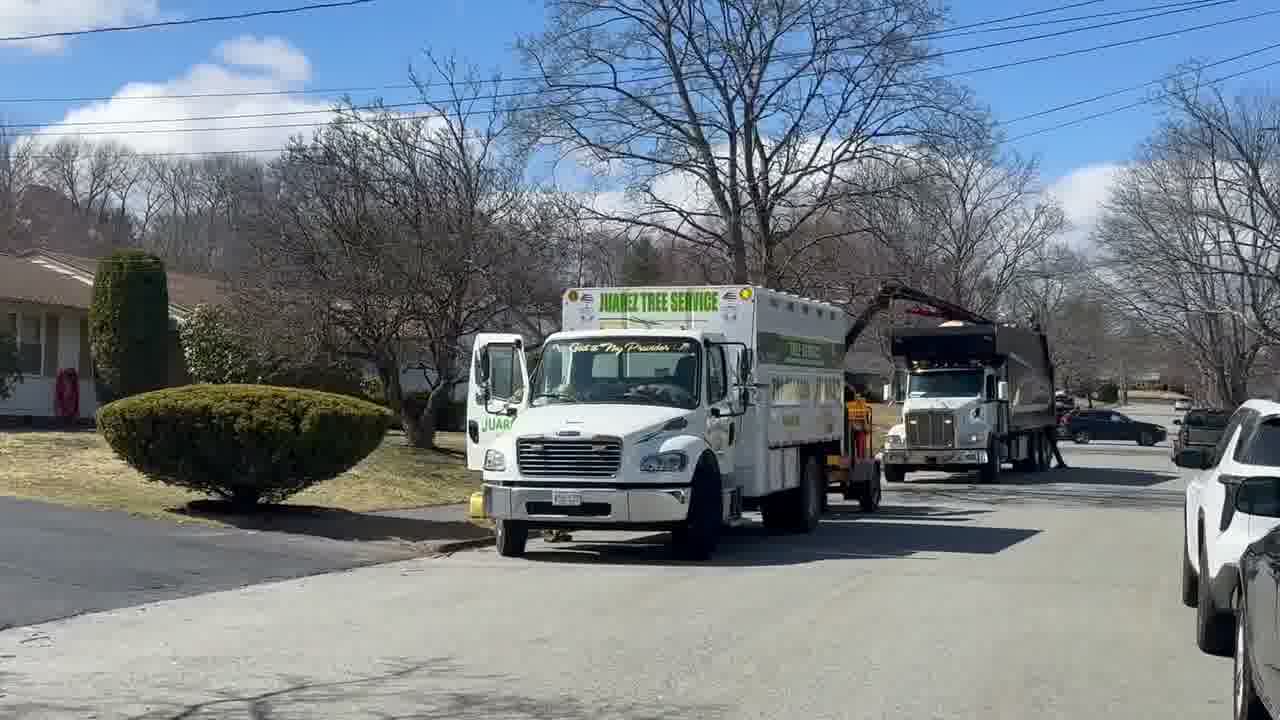
Working with experienced professionals can make all the difference in achieving your sustainability goals. Juarez Landscaping and Tree Services has been helping homeowners throughout Peabody, MA, and surrounding areas transform their properties into thriving regenerative landscapes. Their team understands the unique climate challenges of the region and can provide expert guidance on native plant selection, soil restoration, and sustainable maintenance practices.
Understanding the Core Principles of Regenerative Landscaping
What Makes a Landscape Truly Regenerative?
Regenerative landscaping focuses on rebuilding soil health, increasing biodiversity, and creating self-sustaining ecosystems. Key elements include:
• Soil restoration through composting and minimal disturbance
• Native plant species that support local pollinators and wildlife
• Water conservation using rain gardens and permeable surfaces
• Carbon sequestration through strategic tree and shrub placement
• Elimination of chemical inputs in favor of natural pest management
The foundation of any successful regenerative project starts with healthy soil. Rather than depleting resources, regenerative practices build soil organic matter, improve water retention, and create habitats for beneficial microorganisms that support plant health naturally.
💡 Expert Tip: Start with a Soil Assessment
Before beginning any regenerative landscape project, conduct a comprehensive soil test to understand pH levels, nutrient content, and organic matter percentage. This baseline data helps you make informed decisions about amendments and plant selection. Professional landscaping teams can coordinate soil testing and interpret results to create a customized regeneration plan for your property.
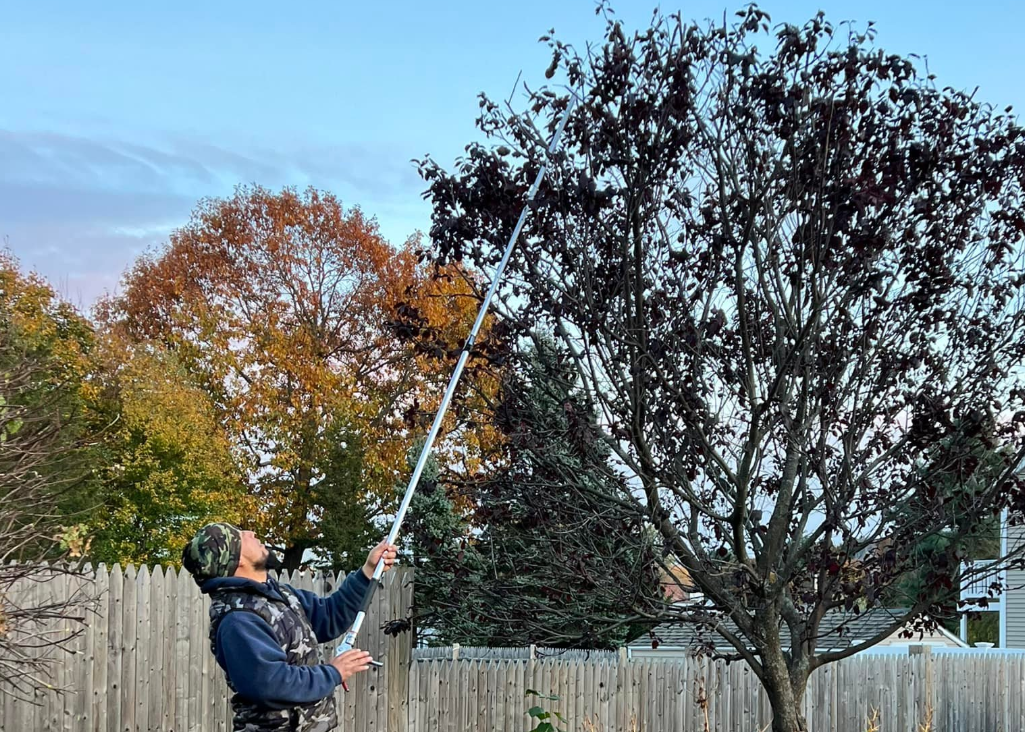
When planning your landscape transformation, consider the existing trees on your property. Mature trees are invaluable assets in regenerative systems, but they may need professional care. Services like tree pruning ensure your trees remain healthy contributors to your ecosystem, while tree trimming helps maintain proper structure and sunlight distribution for understory plantings.
Planning Your Regenerative Landscape Design
Strategic Steps to Take Control of Your Regenerative Landscape Project:
- Assess your current landscape conditions – Identify problem areas, existing vegetation, and microclimates
- Define your goals – Determine whether you prioritize wildlife habitat, food production, or aesthetic appeal
- Research native species – Select plants adapted to your region’s climate and soil conditions
- Create zones – Design areas based on water needs, sun exposure, and maintenance requirements
- Plan for succession – Include plants at different maturity stages for year-round interest
Successful regenerative landscapes incorporate layers of vegetation mimicking natural ecosystems—from ground covers and perennials to shrubs and canopy trees. This vertical diversity maximizes photosynthesis, creates numerous wildlife niches, and improves overall resilience.
Sometimes taking control means knowing when to remove obstacles. Dead or diseased trees can harbor pests and compete for resources. Professional tree removal services ensure safe elimination of problematic specimens, creating space for regenerative plantings that align with your vision.
| Regenerative Practice | Primary Benefits | Implementation Timeline |
| Soil Building & Composting | Increased organic matter, improved water retention, enhanced microbial activity | 3-6 months for visible results |
| Native Plant Installation | Supports pollinators, reduces maintenance, increases drought resilience | 1-2 years for establishment |
| Rain Garden Creation | Stormwater management, groundwater recharge, habitat creation | Immediate function, matures over 2-3 years |
| Pollinator Pathways | Biodiversity support, natural pest control, increased yields | Benefits visible within first growing season |
Maintenance Practices for Long-Term Success
Taking control of your regenerative landscape project doesn’t end at installation—ongoing stewardship ensures continued success. Unlike traditional landscapes requiring constant inputs, regenerative systems become increasingly self-sufficient over time when properly managed.
Essential Maintenance Practices:
• Mulch application to retain moisture and suppress weeds naturally
• Minimal intervention pruning that respects natural plant forms
• Seasonal monitoring for invasive species and early problem detection
• Wildlife observation to assess ecosystem health and balance
• Compost tea applications to boost beneficial microorganisms
Emergency situations sometimes arise despite best planning. Storm damage or sudden tree failure requires immediate attention to protect your property and landscape investment. Reliable emergency tree service ensures quick response when unexpected events threaten your regenerative landscape.
As your landscape matures, you’ll notice reduced water requirements, fewer pest problems, and increasing wildlife activity—all signs that your regenerative approach is working. Patience pays dividends as ecosystems establish complex relationships that support long-term health and resilience.
Frequently Asked Questions
How long does it take for a regenerative landscape to become established?
Most regenerative landscapes show significant progress within 2-3 years, with soil health improvements visible within the first growing season. Full maturity and ecosystem complexity typically develop over 5-10 years as plants establish deep root systems and wildlife populations stabilize.
What are the cost considerations for regenerative landscaping?
Initial investment may be comparable to traditional landscaping, but long-term costs decrease dramatically. Regenerative landscapes require fewer inputs—no synthetic fertilizers, minimal watering once established, and reduced replacement costs as native plants thrive naturally. The investment pays for itself through lower maintenance expenses and increased property value.
Can I convert my existing landscape to regenerative practices gradually?
Absolutely! Phased conversion is often the most practical approach. Start with one area, such as replacing lawn with native ground covers or creating a rain garden. As each zone becomes established, expand to adjacent areas. This method allows you to learn and adjust while managing budget and time commitments effectively.
Do regenerative landscapes attract unwanted wildlife or pests?
Healthy regenerative ecosystems actually reduce pest problems through natural predator-prey relationships. While you’ll see more beneficial insects, birds, and pollinators, proper design minimizes issues with problematic species. Avoid dense plantings near foundations, and work with professionals to create balanced landscapes that attract desirable wildlife while deterring nuisances.
Ready to Transform Your Landscape?
Take control of your regenerative landscape project with expert guidance from Juarez Landscaping and Tree Services. Serving Peabody, MA, and surrounding areas, our team brings years of experience in sustainable landscaping, native plant installation, and ecosystem restoration.
Don’t wait to create the thriving, self-sustaining landscape you’ve always wanted!


Regenerative landscaping goes beyond traditional gardening—it’s about creating landscapes that heal the environment while providing beauty and functionality. When you take control of your regenerative landscape project, you’re investing in a sustainable future that benefits your property, local wildlife, and the broader ecosystem. This comprehensive guide will walk you through essential tips to ensure your regenerative landscaping efforts thrive for years to come.
Working with experienced professionals can make all the difference in achieving your sustainability goals. Juarez Landscaping and Tree Services has been helping homeowners throughout Peabody, MA, and surrounding areas transform their properties into thriving regenerative landscapes. Their team understands the unique climate challenges of the region and can provide expert guidance on native plant selection, soil restoration, and sustainable maintenance practices.
Understanding the Core Principles of Regenerative Landscaping
What Makes a Landscape Truly Regenerative?
Regenerative landscaping focuses on rebuilding soil health, increasing biodiversity, and creating self-sustaining ecosystems. Key elements include:
• Soil restoration through composting and minimal disturbance
• Native plant species that support local pollinators and wildlife
• Water conservation using rain gardens and permeable surfaces
• Carbon sequestration through strategic tree and shrub placement
• Elimination of chemical inputs in favor of natural pest management
The foundation of any successful regenerative project starts with healthy soil. Rather than depleting resources, regenerative practices build soil organic matter, improve water retention, and create habitats for beneficial microorganisms that support plant health naturally.
💡 Expert Tip: Start with a Soil Assessment
Before beginning any regenerative landscape project, conduct a comprehensive soil test to understand pH levels, nutrient content, and organic matter percentage. This baseline data helps you make informed decisions about amendments and plant selection. Professional landscaping teams can coordinate soil testing and interpret results to create a customized regeneration plan for your property.
When planning your landscape transformation, consider the existing trees on your property. Mature trees are invaluable assets in regenerative systems, but they may need professional care. Services like tree pruning ensure your trees remain healthy contributors to your ecosystem, while tree trimming helps maintain proper structure and sunlight distribution for understory plantings.
Planning Your Regenerative Landscape Design
Strategic Steps to Take Control of Your Regenerative Landscape Project:
Successful regenerative landscapes incorporate layers of vegetation mimicking natural ecosystems—from ground covers and perennials to shrubs and canopy trees. This vertical diversity maximizes photosynthesis, creates numerous wildlife niches, and improves overall resilience.
Sometimes taking control means knowing when to remove obstacles. Dead or diseased trees can harbor pests and compete for resources. Professional tree removal services ensure safe elimination of problematic specimens, creating space for regenerative plantings that align with your vision.
Maintenance Practices for Long-Term Success
Taking control of your regenerative landscape project doesn’t end at installation—ongoing stewardship ensures continued success. Unlike traditional landscapes requiring constant inputs, regenerative systems become increasingly self-sufficient over time when properly managed.
Essential Maintenance Practices:
• Mulch application to retain moisture and suppress weeds naturally
• Minimal intervention pruning that respects natural plant forms
• Seasonal monitoring for invasive species and early problem detection
• Wildlife observation to assess ecosystem health and balance
• Compost tea applications to boost beneficial microorganisms
Emergency situations sometimes arise despite best planning. Storm damage or sudden tree failure requires immediate attention to protect your property and landscape investment. Reliable emergency tree service ensures quick response when unexpected events threaten your regenerative landscape.
As your landscape matures, you’ll notice reduced water requirements, fewer pest problems, and increasing wildlife activity—all signs that your regenerative approach is working. Patience pays dividends as ecosystems establish complex relationships that support long-term health and resilience.
Frequently Asked Questions
How long does it take for a regenerative landscape to become established?
Most regenerative landscapes show significant progress within 2-3 years, with soil health improvements visible within the first growing season. Full maturity and ecosystem complexity typically develop over 5-10 years as plants establish deep root systems and wildlife populations stabilize.
What are the cost considerations for regenerative landscaping?
Initial investment may be comparable to traditional landscaping, but long-term costs decrease dramatically. Regenerative landscapes require fewer inputs—no synthetic fertilizers, minimal watering once established, and reduced replacement costs as native plants thrive naturally. The investment pays for itself through lower maintenance expenses and increased property value.
Can I convert my existing landscape to regenerative practices gradually?
Absolutely! Phased conversion is often the most practical approach. Start with one area, such as replacing lawn with native ground covers or creating a rain garden. As each zone becomes established, expand to adjacent areas. This method allows you to learn and adjust while managing budget and time commitments effectively.
Do regenerative landscapes attract unwanted wildlife or pests?
Healthy regenerative ecosystems actually reduce pest problems through natural predator-prey relationships. While you’ll see more beneficial insects, birds, and pollinators, proper design minimizes issues with problematic species. Avoid dense plantings near foundations, and work with professionals to create balanced landscapes that attract desirable wildlife while deterring nuisances.
Ready to Transform Your Landscape?
Take control of your regenerative landscape project with expert guidance from Juarez Landscaping and Tree Services. Serving Peabody, MA, and surrounding areas, our team brings years of experience in sustainable landscaping, native plant installation, and ecosystem restoration.
Don’t wait to create the thriving, self-sustaining landscape you’ve always wanted!
Hiring a professional tree company is an important decision for any homeowner.…
Read MoreHealthy trees increase property value, improve air quality, and enhance the beauty…
Read MoreTrees add beauty, shade, and value to any property. Healthy trees can…
Read MoreMature trees are more than just beautiful additions to a yard. They…
Read MoreTree removal is often necessary for safety, property protection, or landscaping improvements.…
Read MoreHealthy trees increase property value improve air quality provide shade and enhance…
Read MoreFinding reliable local tree services is one of the most important steps…
Read MoreTree removal is a critical service that goes far beyond simply cutting…
Read MoreProfessional tree services are essential for maintaining a safe, healthy, and beautiful…
Read MoreWhen homeowners search for tree services near me, they are often dealing…
Read More