Healthy trees increase property value, improve air quality, and enhance the beauty of any landscape. However, many homeowners unintentionally harm their trees by making simple maintenance mistakes. At Juarez Landscaping and Tree Services, we often see trees suffering from poor care practices that could have been avoided with proper knowledge. Whether you are maintaining trees yourself or considering Tree Services, understanding these mistakes can help protect your landscape for years to come.
Tree care requires more than occasional watering or trimming. Improper pruning, poor planting techniques, and neglecting early warning signs of disease can weaken trees and eventually kill them. Learning how to avoid these common mistakes will ensure your trees grow strong, healthy, and resilient.
Improper Pruning Techniques
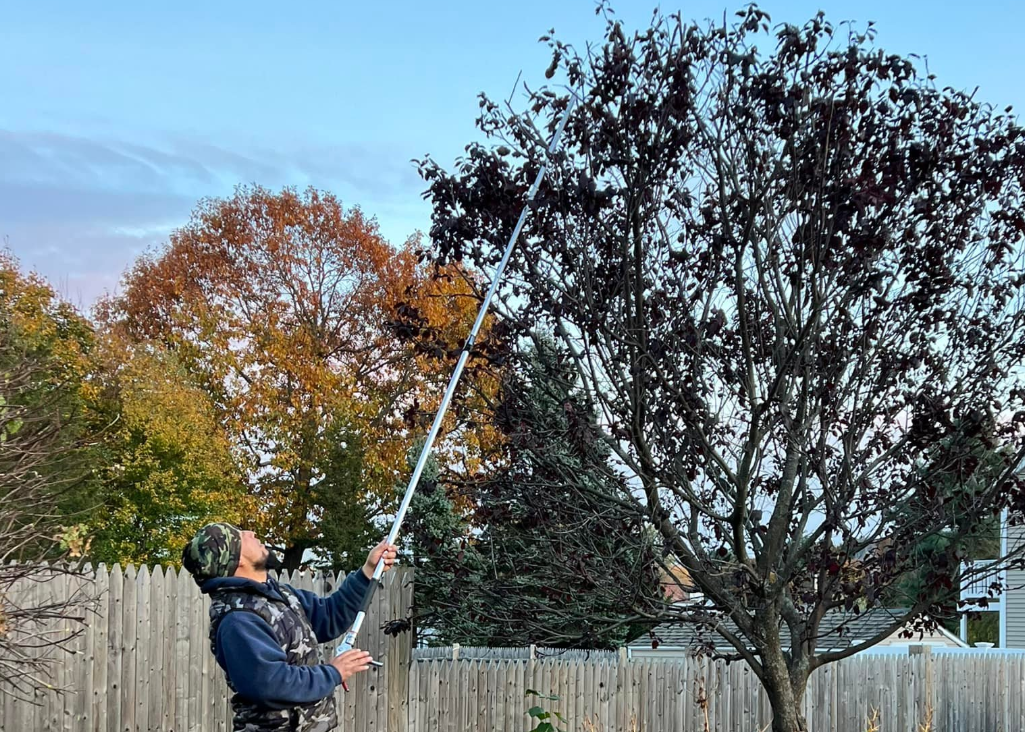
One of the most damaging mistakes homeowners make is pruning trees incorrectly. Cutting too many branches at once or trimming at the wrong time of year can stress the tree and make it vulnerable to disease.
Over pruning reduces the tree’s ability to produce energy through photosynthesis. Topping trees, a common but harmful practice, destroys the natural shape of the tree and encourages weak branch growth. Instead, proper Tree Pruning focuses on removing dead, damaged, or crossing branches while maintaining the tree’s natural structure.
Season also matters. Many trees should be pruned during their dormant season to minimize stress and prevent pest infestations. If large branches or risky cuts are required, professional Tree Trimming services are often the safest option.
Planting Trees Too Deep
Planting depth is one of the most overlooked factors in tree survival. When a tree is planted too deep, its roots struggle to receive oxygen and nutrients. This often leads to root rot and stunted growth.
A properly planted tree should have the root flare visible just above the soil surface. This allows the roots to breathe and absorb moisture effectively. When planting new trees, ensure the hole is wide enough for roots to spread naturally rather than being tightly compacted.
Many landscaping professionals recommend planting holes that are two to three times wider than the root ball but no deeper than the root system itself.
Overwatering or Underwatering
Watering mistakes are another major cause of tree stress. Both excessive watering and drought conditions can damage root systems.
Young trees require consistent watering, especially during their first few years of growth. However, constantly saturated soil deprives roots of oxygen and encourages fungal diseases.
A good rule is to water deeply but less frequently. This encourages deeper root growth and improves drought tolerance. Mature trees often require less watering than newly planted ones, especially in climates where seasonal rainfall provides sufficient moisture.
Ignoring Early Signs of Disease or Pest Damage
Trees often show early warning signs before serious problems develop. Discolored leaves, peeling bark, unusual spots, or sudden branch dieback can indicate disease or pest infestations.
Ignoring these symptoms allows problems to spread quickly. Regular tree inspections help detect issues early and prevent irreversible damage. Professional arborists can diagnose problems accurately and recommend the appropriate treatment before the tree becomes hazardous.
Using Excessive Mulch
Mulch is beneficial for retaining soil moisture and regulating temperature. However, too much mulch can suffocate tree roots.
A common mistake known as “mulch volcanoes” occurs when mulch is piled high against the trunk. This traps moisture, encourages pests, and promotes fungal decay around the bark.
Instead, apply mulch in a flat layer about two to three inches thick while keeping it several inches away from the trunk. Proper mulching supports healthy root development without damaging the tree.
Damaging Roots During Construction or Landscaping
Tree roots are highly sensitive to disturbance. Construction projects, driveway installations, or heavy equipment use can compress soil and damage root systems.
When roots are compacted or cut, trees struggle to absorb nutrients and water. In severe cases, structural stability may also be affected, increasing the risk of falling trees.
If a tree becomes structurally unsafe or severely damaged, professional Professional Tree Removal may be necessary to protect nearby structures and people.
Ignoring Storm Damage
Storms can leave trees weakened or partially damaged even when the effects are not immediately obvious. Broken limbs, leaning trunks, or cracked branches can create serious hazards.
Leaving damaged branches untreated increases the risk of sudden breakage. In urgent situations where trees pose immediate danger to homes or power lines, Emergency Tree Services can safely handle hazardous conditions and prevent further damage.
Quick Guide to Common Tree Care Mistakes
| Mistake | Why It’s Harmful | Better Approach |
| Over Pruning | Weakens tree structure and growth | Remove only damaged or dead branches |
| Planting Too Deep | Causes root suffocation | Keep root flare slightly above soil |
| Overwatering | Encourages root rot | Water deeply but less frequently |
| Mulch Volcanoes | Promotes trunk decay and pests | Spread mulch evenly away from trunk |
| Ignoring Disease Signs | Allows pests and disease to spread | Inspect trees regularly |
When Professional Help Is the Best Choice
While many tree care tasks can be handled by homeowners, certain situations require professional expertise. Large trees, disease treatment, or dangerous branches should be managed by trained specialists to prevent injury and further damage to the tree.
If you notice severe structural damage, persistent disease symptoms, or trees growing too close to structures, consulting experienced arborists can help determine the safest and most effective solution.
Conclusion
Trees are long term investments that require proper care and attention. Many common tree care mistakes occur simply because homeowners are unaware of the correct techniques. By avoiding improper pruning, planting trees correctly, monitoring watering habits, and recognizing early warning signs, you can significantly improve the health and lifespan of your trees.
When tree problems become too complex or dangerous to handle alone, professional assistance can make all the difference. Proper maintenance ensures your trees remain healthy, safe, and beautiful for generations to come.
Frequently Asked Questions
What is the most common mistake in tree care?
One of the most common mistakes is improper pruning. Cutting too many branches or topping a tree can weaken its structure and make it vulnerable to disease.
How often should trees be pruned?
Most mature trees benefit from pruning every three to five years, although young trees may require more frequent shaping.
Can too much mulch kill a tree?
Yes. Excessive mulch placed directly against the trunk can trap moisture, cause bark decay, and attract pests.
When should I call a professional tree service?
You should contact professionals if a tree is leaning, damaged by storms, infected with disease, or requires large branch removal that could be dangerous.
References
USDA Forest Service – Tree Care Tips
International Society of Arboriculture – Proper Tree Pruning
Arbor Day Foundation – Tree Planting and Care Guide


Healthy trees increase property value, improve air quality, and enhance the beauty of any landscape. However, many homeowners unintentionally harm their trees by making simple maintenance mistakes. At Juarez Landscaping and Tree Services, we often see trees suffering from poor care practices that could have been avoided with proper knowledge. Whether you are maintaining trees yourself or considering Tree Services, understanding these mistakes can help protect your landscape for years to come.
Tree care requires more than occasional watering or trimming. Improper pruning, poor planting techniques, and neglecting early warning signs of disease can weaken trees and eventually kill them. Learning how to avoid these common mistakes will ensure your trees grow strong, healthy, and resilient.
Improper Pruning Techniques
One of the most damaging mistakes homeowners make is pruning trees incorrectly. Cutting too many branches at once or trimming at the wrong time of year can stress the tree and make it vulnerable to disease.
Over pruning reduces the tree’s ability to produce energy through photosynthesis. Topping trees, a common but harmful practice, destroys the natural shape of the tree and encourages weak branch growth. Instead, proper Tree Pruning focuses on removing dead, damaged, or crossing branches while maintaining the tree’s natural structure.
Season also matters. Many trees should be pruned during their dormant season to minimize stress and prevent pest infestations. If large branches or risky cuts are required, professional Tree Trimming services are often the safest option.
Planting Trees Too Deep
Planting depth is one of the most overlooked factors in tree survival. When a tree is planted too deep, its roots struggle to receive oxygen and nutrients. This often leads to root rot and stunted growth.
A properly planted tree should have the root flare visible just above the soil surface. This allows the roots to breathe and absorb moisture effectively. When planting new trees, ensure the hole is wide enough for roots to spread naturally rather than being tightly compacted.
Many landscaping professionals recommend planting holes that are two to three times wider than the root ball but no deeper than the root system itself.
Overwatering or Underwatering
Watering mistakes are another major cause of tree stress. Both excessive watering and drought conditions can damage root systems.
Young trees require consistent watering, especially during their first few years of growth. However, constantly saturated soil deprives roots of oxygen and encourages fungal diseases.
A good rule is to water deeply but less frequently. This encourages deeper root growth and improves drought tolerance. Mature trees often require less watering than newly planted ones, especially in climates where seasonal rainfall provides sufficient moisture.
Ignoring Early Signs of Disease or Pest Damage
Trees often show early warning signs before serious problems develop. Discolored leaves, peeling bark, unusual spots, or sudden branch dieback can indicate disease or pest infestations.
Ignoring these symptoms allows problems to spread quickly. Regular tree inspections help detect issues early and prevent irreversible damage. Professional arborists can diagnose problems accurately and recommend the appropriate treatment before the tree becomes hazardous.
Using Excessive Mulch
Mulch is beneficial for retaining soil moisture and regulating temperature. However, too much mulch can suffocate tree roots.
A common mistake known as “mulch volcanoes” occurs when mulch is piled high against the trunk. This traps moisture, encourages pests, and promotes fungal decay around the bark.
Instead, apply mulch in a flat layer about two to three inches thick while keeping it several inches away from the trunk. Proper mulching supports healthy root development without damaging the tree.
Damaging Roots During Construction or Landscaping
Tree roots are highly sensitive to disturbance. Construction projects, driveway installations, or heavy equipment use can compress soil and damage root systems.
When roots are compacted or cut, trees struggle to absorb nutrients and water. In severe cases, structural stability may also be affected, increasing the risk of falling trees.
If a tree becomes structurally unsafe or severely damaged, professional Professional Tree Removal may be necessary to protect nearby structures and people.
Ignoring Storm Damage
Storms can leave trees weakened or partially damaged even when the effects are not immediately obvious. Broken limbs, leaning trunks, or cracked branches can create serious hazards.
Leaving damaged branches untreated increases the risk of sudden breakage. In urgent situations where trees pose immediate danger to homes or power lines, Emergency Tree Services can safely handle hazardous conditions and prevent further damage.
Quick Guide to Common Tree Care Mistakes
When Professional Help Is the Best Choice
While many tree care tasks can be handled by homeowners, certain situations require professional expertise. Large trees, disease treatment, or dangerous branches should be managed by trained specialists to prevent injury and further damage to the tree.
If you notice severe structural damage, persistent disease symptoms, or trees growing too close to structures, consulting experienced arborists can help determine the safest and most effective solution.
Conclusion
Trees are long term investments that require proper care and attention. Many common tree care mistakes occur simply because homeowners are unaware of the correct techniques. By avoiding improper pruning, planting trees correctly, monitoring watering habits, and recognizing early warning signs, you can significantly improve the health and lifespan of your trees.
When tree problems become too complex or dangerous to handle alone, professional assistance can make all the difference. Proper maintenance ensures your trees remain healthy, safe, and beautiful for generations to come.
Frequently Asked Questions
What is the most common mistake in tree care?
One of the most common mistakes is improper pruning. Cutting too many branches or topping a tree can weaken its structure and make it vulnerable to disease.
How often should trees be pruned?
Most mature trees benefit from pruning every three to five years, although young trees may require more frequent shaping.
Can too much mulch kill a tree?
Yes. Excessive mulch placed directly against the trunk can trap moisture, cause bark decay, and attract pests.
When should I call a professional tree service?
You should contact professionals if a tree is leaning, damaged by storms, infected with disease, or requires large branch removal that could be dangerous.
References
USDA Forest Service – Tree Care Tips
International Society of Arboriculture – Proper Tree Pruning
Arbor Day Foundation – Tree Planting and Care Guide
Hiring a professional tree company is an important decision for any homeowner.…
Read MoreHealthy trees increase property value, improve air quality, and enhance the beauty…
Read MoreTrees add beauty, shade, and value to any property. Healthy trees can…
Read MoreMature trees are more than just beautiful additions to a yard. They…
Read MoreTree removal is often necessary for safety, property protection, or landscaping improvements.…
Read MoreHealthy trees increase property value improve air quality provide shade and enhance…
Read MoreFinding reliable local tree services is one of the most important steps…
Read MoreTree removal is a critical service that goes far beyond simply cutting…
Read MoreProfessional tree services are essential for maintaining a safe, healthy, and beautiful…
Read MoreWhen homeowners search for tree services near me, they are often dealing…
Read More