Tree removal is a critical service that goes far beyond simply cutting down a tree. Whether a tree poses a safety risk, interferes with property development, or suffers from irreversible disease, removing it requires proper planning, legal awareness, and professional execution. Many online articles discuss tree removal at a surface level but fail to address important gaps such as environmental responsibility, safety risks, permit requirements, and post-removal care. This comprehensive guide is designed to give homeowners, property managers, and business owners a complete understanding of tree removal from start to finish.
What Is Tree Removal and When Is It Necessary
Tree removal is the process of cutting down and completely eliminating a tree from a specific location, including its trunk and often its stump. While trees add beauty and environmental value, there are situations where removal becomes unavoidable. Trees that are dead, dying, structurally unstable, or severely diseased can pose serious hazards to people and property. In other cases, roots may damage foundations, sidewalks, or underground utilities, making removal the safest option.
Another common reason for tree removal is land development or landscaping redesign. Construction projects often require clearing space safely and efficiently without harming nearby structures or healthy trees. Unlike pruning or trimming, tree removal is a permanent solution and should always be considered carefully.
Risks of DIY Tree Removal
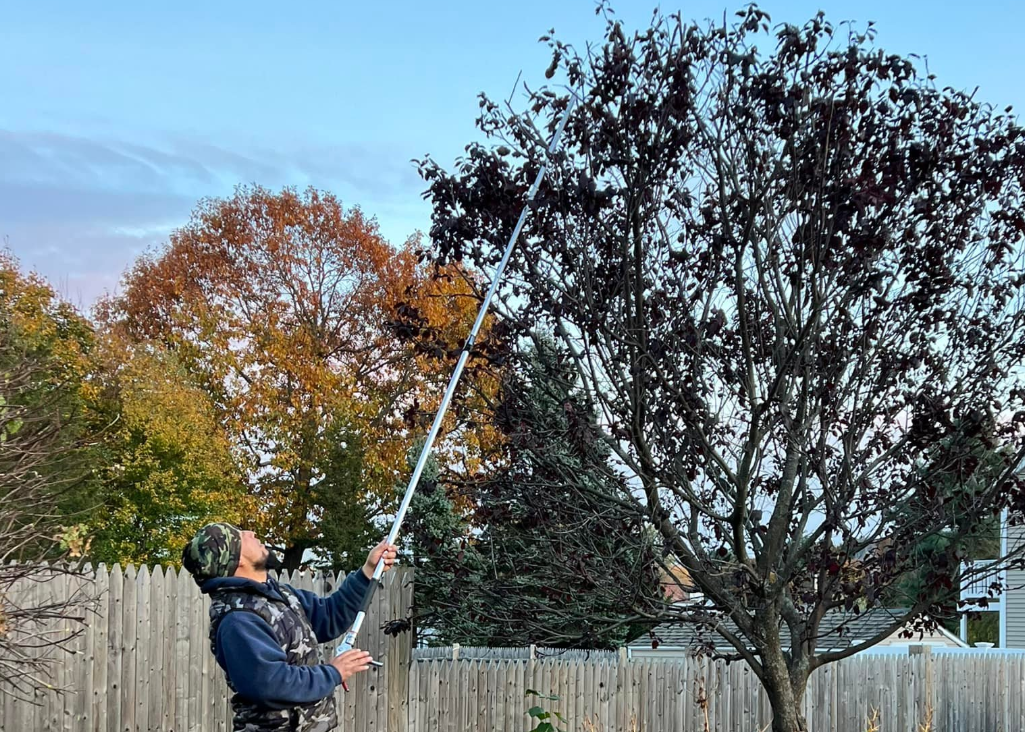
Many property owners underestimate the dangers involved in tree removal. Attempting a do-it-yourself approach can result in severe injuries, property damage, or even fatal accidents. Trees are heavy, unpredictable, and influenced by wind, gravity, and internal decay that may not be visible from the outside. Improper cutting techniques can cause trees to fall in unintended directions, damaging homes, vehicles, fences, or power lines.
Professional tree removal specialists use advanced equipment, safety gear, and industry-approved methods to control each step of the process. They also carry insurance, which protects homeowners from liability in case of accidents. This is one of the most significant gaps in competitor content, as many fail to emphasize just how dangerous DIY tree removal can be.
Legal and Environmental Considerations
Tree removal is often subject to local, state, or municipal regulations. Some cities require permits before removing certain types of trees, especially protected or native species. Homeowners associations may also impose restrictions. Ignoring these regulations can result in fines or legal complications.
From an environmental standpoint, responsible tree removal includes evaluating whether removal is truly necessary and considering replacement options. Trees play a vital role in air quality, soil stability, and wildlife habitats. Ethical tree service providers follow guidelines to minimize environmental impact and may recommend replanting when appropriate.
The Professional Tree Removal Process Explained
A professional tree removal service follows a structured and safety-focused process. First, an on-site assessment is conducted to evaluate tree health, size, location, and surrounding hazards. This allows specialists to determine the safest removal method.
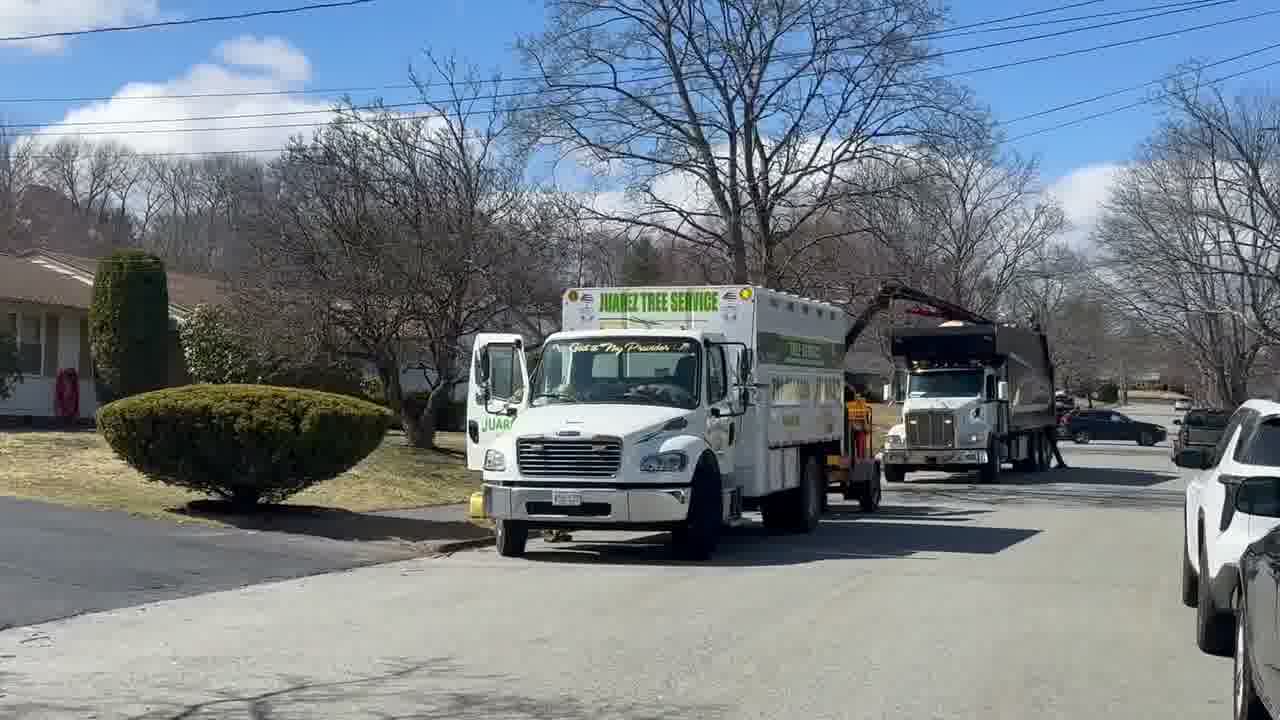
Next, the area is prepared by securing the surroundings and ensuring people and property are protected. Depending on the situation, the tree may be removed in sections rather than being felled in one piece. Specialized tools such as cranes, rigging systems, and chainsaws are used to control the descent of each section.
Once the tree is removed, cleanup is performed, including debris removal and optional stump grinding. This thorough approach is often missing in competitor articles that focus only on cutting the tree down without explaining the full scope of the service.
Tree Removal Cost Factors
Tree removal costs can vary significantly based on multiple factors. Understanding these variables helps property owners make informed decisions and avoid unexpected expenses.
| Cost Factor | Description | Impact on Price |
| Tree Size | Taller and wider trees require more labor and equipment | High |
| Tree Condition | Dead or unstable trees may require special handling | Medium to High |
| Location | Proximity to buildings, power lines, or roads | High |
| Accessibility | Limited access increases labor complexity | Medium |
| Stump Removal | Grinding or full stump extraction | Optional Additional Cost |
Why Hiring a Professional Tree Removal Company Matters
Choosing a professional service ensures that tree removal is done safely, legally, and efficiently. Certified arborists understand tree biology and structural integrity, allowing them to make informed decisions that protect both people and the environment. Licensed companies are also equipped to handle emergencies such as storm-damaged trees.
Juarez Landscaping and Tree Services provides professional tree removal solutions designed to meet safety standards while addressing customer needs with precision and care. Their experience allows them to handle complex removals that many competitors cannot manage effectively.
Post-Removal Care and Landscaping Options
Tree removal does not end when the tree is gone. The area left behind can be improved through soil restoration, stump grinding, and new landscaping. Removing the stump prevents pest infestations and allows for smoother land use. Many homeowners choose to plant new trees or redesign their landscape to enhance curb appeal and property value.
A comprehensive tree removal service includes guidance on how to best utilize the space after removal. This is another gap often overlooked in competitor content, which rarely addresses what comes next.
When to Schedule Tree Removal
Timing plays a crucial role in tree removal. While emergency situations require immediate action, planned removals are often best scheduled during dormant seasons such as late fall or winter. During these periods, trees are less active, and surrounding landscapes are less likely to be damaged.
Weather conditions, nesting seasons, and local regulations should also be considered. Consulting with professionals helps determine the most appropriate timing for removal.
Customer Support and Service Availability
If you are considering professional tree removal, working with a trusted provider ensures peace of mind. Juarez Landscaping and Tree Services offers consultations, transparent pricing, and customer-focused solutions for residential and commercial clients. Their team prioritizes safety, compliance, and long-term results.
Customers looking to schedule tree removal services can benefit from expert assessments and tailored recommendations that align with both budget and environmental responsibility.
Frequently Asked Questions About Tree Removal
Is tree removal always necessary for a dead tree?
In most cases, yes. Dead trees are structurally unstable and can fall without warning, posing serious safety risks.
Do I need a permit to remove a tree?
Permit requirements vary by location. It is always best to check with local authorities or work with a professional company that handles permitting.
How long does tree removal take?
Most tree removals can be completed in a few hours, but complex jobs may take a full day or more depending on size and location.
What happens to the wood after removal?
Wood can be chipped into mulch, hauled away, or sometimes repurposed depending on customer preference and local regulations.
Can tree roots cause damage after removal?
Yes, leftover roots can continue to cause issues if not addressed. Stump grinding and root management help prevent future problems.
Final Thoughts on Tree Removal
Tree removal is a serious decision that requires careful consideration, expert knowledge, and responsible execution. From safety risks and legal requirements to environmental impact and post-removal care, every aspect matters. Many competitor articles fail to cover these details in depth, leaving readers with incomplete information.
By choosing a professional provider like Juarez Landscaping and Tree Services, property owners can ensure that tree removal is handled correctly from start to finish, protecting both their investment and the surrounding environment.
References
Wikipedia Tree Removal and Arboriculture
United States Forest Service Tree Safety and Management
Environmental Protection Agency Urban Forestry Resources


Tree removal is a critical service that goes far beyond simply cutting down a tree. Whether a tree poses a safety risk, interferes with property development, or suffers from irreversible disease, removing it requires proper planning, legal awareness, and professional execution. Many online articles discuss tree removal at a surface level but fail to address important gaps such as environmental responsibility, safety risks, permit requirements, and post-removal care. This comprehensive guide is designed to give homeowners, property managers, and business owners a complete understanding of tree removal from start to finish.
What Is Tree Removal and When Is It Necessary
Tree removal is the process of cutting down and completely eliminating a tree from a specific location, including its trunk and often its stump. While trees add beauty and environmental value, there are situations where removal becomes unavoidable. Trees that are dead, dying, structurally unstable, or severely diseased can pose serious hazards to people and property. In other cases, roots may damage foundations, sidewalks, or underground utilities, making removal the safest option.
Another common reason for tree removal is land development or landscaping redesign. Construction projects often require clearing space safely and efficiently without harming nearby structures or healthy trees. Unlike pruning or trimming, tree removal is a permanent solution and should always be considered carefully.
Risks of DIY Tree Removal
Many property owners underestimate the dangers involved in tree removal. Attempting a do-it-yourself approach can result in severe injuries, property damage, or even fatal accidents. Trees are heavy, unpredictable, and influenced by wind, gravity, and internal decay that may not be visible from the outside. Improper cutting techniques can cause trees to fall in unintended directions, damaging homes, vehicles, fences, or power lines.
Professional tree removal specialists use advanced equipment, safety gear, and industry-approved methods to control each step of the process. They also carry insurance, which protects homeowners from liability in case of accidents. This is one of the most significant gaps in competitor content, as many fail to emphasize just how dangerous DIY tree removal can be.
Legal and Environmental Considerations
Tree removal is often subject to local, state, or municipal regulations. Some cities require permits before removing certain types of trees, especially protected or native species. Homeowners associations may also impose restrictions. Ignoring these regulations can result in fines or legal complications.
From an environmental standpoint, responsible tree removal includes evaluating whether removal is truly necessary and considering replacement options. Trees play a vital role in air quality, soil stability, and wildlife habitats. Ethical tree service providers follow guidelines to minimize environmental impact and may recommend replanting when appropriate.
The Professional Tree Removal Process Explained
A professional tree removal service follows a structured and safety-focused process. First, an on-site assessment is conducted to evaluate tree health, size, location, and surrounding hazards. This allows specialists to determine the safest removal method.
Next, the area is prepared by securing the surroundings and ensuring people and property are protected. Depending on the situation, the tree may be removed in sections rather than being felled in one piece. Specialized tools such as cranes, rigging systems, and chainsaws are used to control the descent of each section.
Once the tree is removed, cleanup is performed, including debris removal and optional stump grinding. This thorough approach is often missing in competitor articles that focus only on cutting the tree down without explaining the full scope of the service.
Tree Removal Cost Factors
Tree removal costs can vary significantly based on multiple factors. Understanding these variables helps property owners make informed decisions and avoid unexpected expenses.
Why Hiring a Professional Tree Removal Company Matters
Choosing a professional service ensures that tree removal is done safely, legally, and efficiently. Certified arborists understand tree biology and structural integrity, allowing them to make informed decisions that protect both people and the environment. Licensed companies are also equipped to handle emergencies such as storm-damaged trees.
Juarez Landscaping and Tree Services provides professional tree removal solutions designed to meet safety standards while addressing customer needs with precision and care. Their experience allows them to handle complex removals that many competitors cannot manage effectively.
Post-Removal Care and Landscaping Options
Tree removal does not end when the tree is gone. The area left behind can be improved through soil restoration, stump grinding, and new landscaping. Removing the stump prevents pest infestations and allows for smoother land use. Many homeowners choose to plant new trees or redesign their landscape to enhance curb appeal and property value.
A comprehensive tree removal service includes guidance on how to best utilize the space after removal. This is another gap often overlooked in competitor content, which rarely addresses what comes next.
When to Schedule Tree Removal
Timing plays a crucial role in tree removal. While emergency situations require immediate action, planned removals are often best scheduled during dormant seasons such as late fall or winter. During these periods, trees are less active, and surrounding landscapes are less likely to be damaged.
Weather conditions, nesting seasons, and local regulations should also be considered. Consulting with professionals helps determine the most appropriate timing for removal.
Customer Support and Service Availability
If you are considering professional tree removal, working with a trusted provider ensures peace of mind. Juarez Landscaping and Tree Services offers consultations, transparent pricing, and customer-focused solutions for residential and commercial clients. Their team prioritizes safety, compliance, and long-term results.
Customers looking to schedule tree removal services can benefit from expert assessments and tailored recommendations that align with both budget and environmental responsibility.
Frequently Asked Questions About Tree Removal
Is tree removal always necessary for a dead tree?
In most cases, yes. Dead trees are structurally unstable and can fall without warning, posing serious safety risks.
Do I need a permit to remove a tree?
Permit requirements vary by location. It is always best to check with local authorities or work with a professional company that handles permitting.
How long does tree removal take?
Most tree removals can be completed in a few hours, but complex jobs may take a full day or more depending on size and location.
What happens to the wood after removal?
Wood can be chipped into mulch, hauled away, or sometimes repurposed depending on customer preference and local regulations.
Can tree roots cause damage after removal?
Yes, leftover roots can continue to cause issues if not addressed. Stump grinding and root management help prevent future problems.
Final Thoughts on Tree Removal
Tree removal is a serious decision that requires careful consideration, expert knowledge, and responsible execution. From safety risks and legal requirements to environmental impact and post-removal care, every aspect matters. Many competitor articles fail to cover these details in depth, leaving readers with incomplete information.
By choosing a professional provider like Juarez Landscaping and Tree Services, property owners can ensure that tree removal is handled correctly from start to finish, protecting both their investment and the surrounding environment.
References
Wikipedia Tree Removal and Arboriculture
United States Forest Service Tree Safety and Management
Environmental Protection Agency Urban Forestry Resources
Hiring a professional tree company is an important decision for any homeowner.…
Read MoreHealthy trees increase property value, improve air quality, and enhance the beauty…
Read MoreTrees add beauty, shade, and value to any property. Healthy trees can…
Read MoreMature trees are more than just beautiful additions to a yard. They…
Read MoreTree removal is often necessary for safety, property protection, or landscaping improvements.…
Read MoreHealthy trees increase property value improve air quality provide shade and enhance…
Read MoreFinding reliable local tree services is one of the most important steps…
Read MoreTree removal is a critical service that goes far beyond simply cutting…
Read MoreProfessional tree services are essential for maintaining a safe, healthy, and beautiful…
Read MoreWhen homeowners search for tree services near me, they are often dealing…
Read More