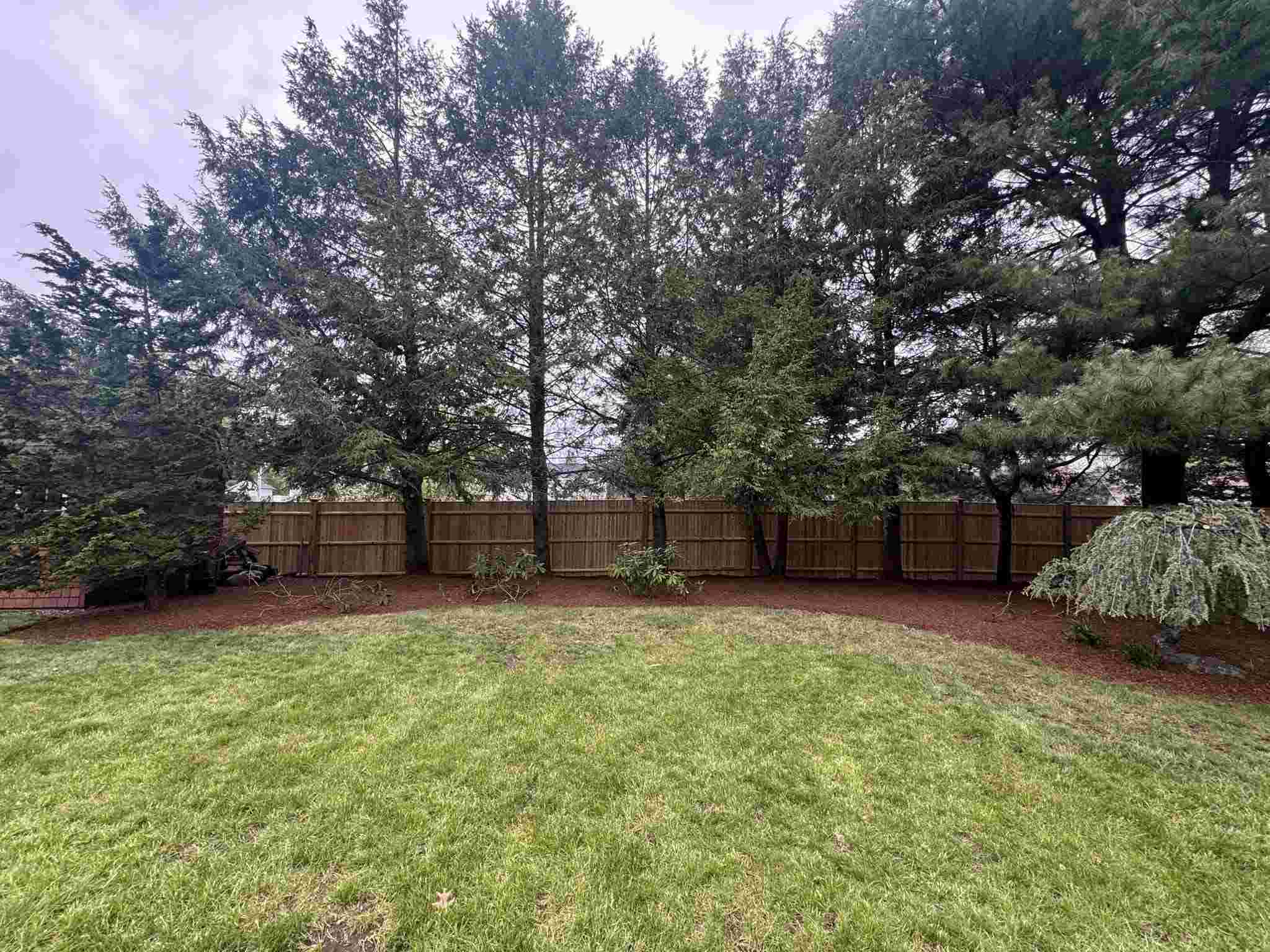
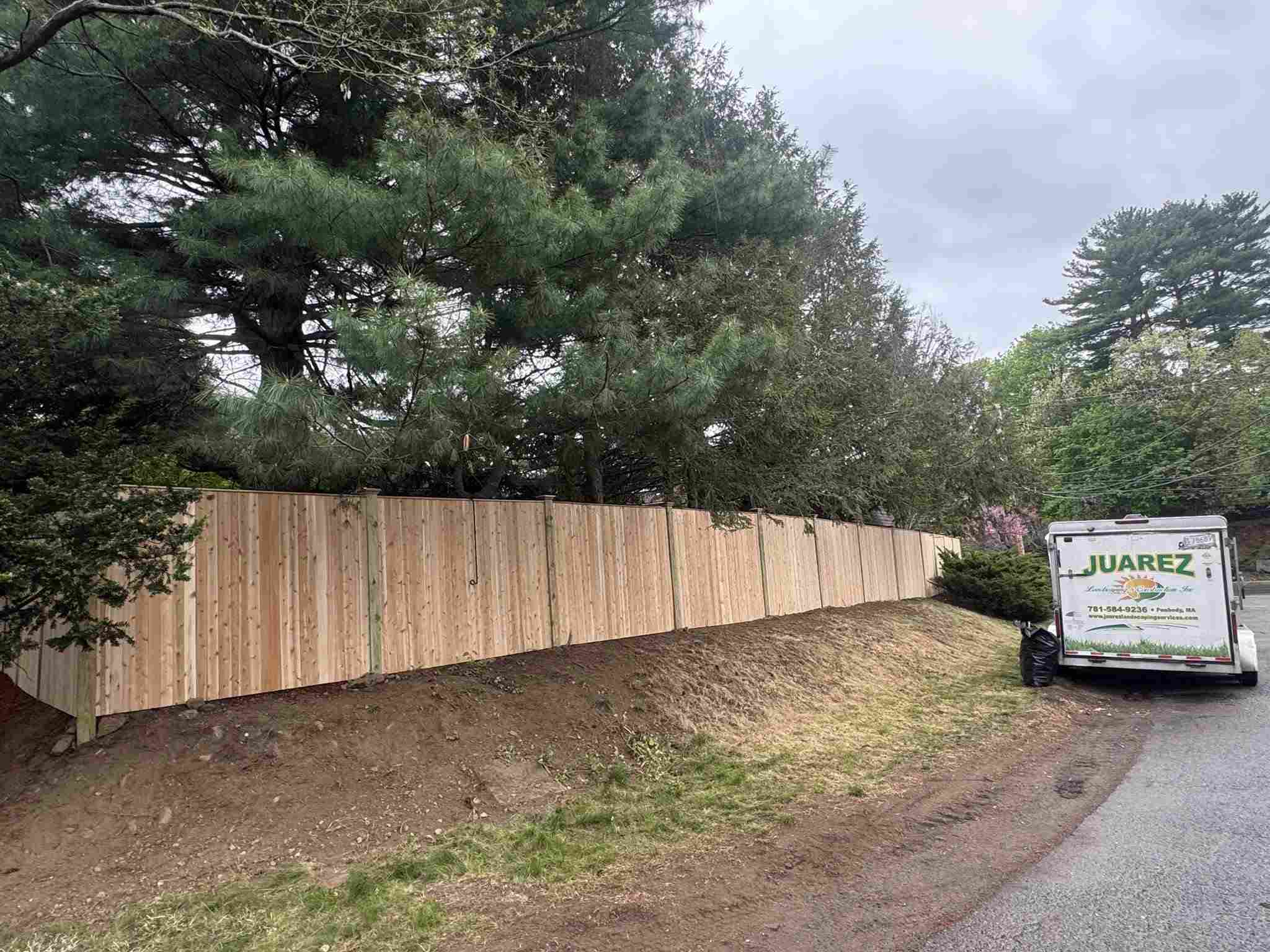
A mulch bed along a fence can turn a plain boundary into a cleaner, more finished part of the landscape. When the bed is shaped properly and maintained consistently, it creates a clear transition between the fence, lawn, trees, and planting areas. This simple landscaping approach can also make routine yard care easier by giving plants and trees a defined space.
Why Add a Mulch Bed Along a Fence?
Fence lines often create long, narrow areas that can be difficult to mow or maintain. A mulch bed can define that space and create a visual buffer between the fence and the lawn. It can also help organize shrubs, ornamental plants, and tree areas so the landscape feels more intentional.
For homeowners searching for a mulch bed along a fence in Peabody MA, the most useful approach is to think about the entire edge of the property. The bed should have a shape that fits the yard, leaves enough room for maintenance, and supports the overall look of the fence line.
How to Create a Clean Fence-Line Mulch Bed
Begin by establishing the shape of the bed. A gently curved edge can soften a long straight fence, while a straighter layout may fit a more formal landscape. The important part is consistency. The boundary between grass and mulch should look deliberate from one end of the yard to the other.
Before placing mulch, the area should be prepared by removing unwanted growth and defining the bed. Existing shrubs and trees should be considered so their planting space is not crowded. The goal is to create a finished bed that feels connected to the fence without making the landscape difficult to maintain.
Our landscape bed design guide provides additional ideas for creating clean, defined planting areas.
Mulch and Lawn Maintenance
A defined mulch bed can reduce the amount of turf immediately next to the fence. That matters because narrow lawn strips can be awkward to trim and can make fence maintenance less convenient. A well-shaped bed creates a clearer work area while giving the landscape a more organized appearance.
Mulch can also help cover exposed soil and create a more uniform surface beneath trees and shrubs. For a healthy landscape, mulch should be applied as part of an overall bed-maintenance plan rather than simply spread over existing problems.
Working With Trees and Established Plants
Fence-line beds often contain mature trees or established shrubs. These features should be included in the design instead of treating the bed as empty space. Leave appropriate room around trunks and established plants, and avoid piling mulch directly against tree trunks.
The shape of the bed can also follow the natural arrangement of the landscape. A continuous bed may work well where several trees and shrubs share the same fence line, while separate planting pockets can make sense when the yard has distinct landscape zones.
Choosing a Mulch Look That Fits the Yard
Mulch color and texture can change the appearance of the entire fence line. Natural wood tones can create a softer transition between greenery and fencing, while darker or red-toned mulch can create stronger contrast. The right choice depends on the fence color, plants, lawn, and the style of the property.
Consistency matters more than using a particular color. A clean, evenly maintained mulch surface generally looks better than a bed with several different materials or irregular patches.
Simple Design Ideas for a Fence-Line Bed
- Use a continuous bed to connect several trees or shrubs along the fence.
- Create a smooth edge that makes mowing lines easier to follow.
- Use mulch as a visual transition between a privacy fence and lawn.
- Keep plant groupings organized so the bed does not look crowded.
- Refresh the mulch as needed to maintain a uniform finished appearance.
Maintenance After Mulch Installation
Mulch beds still need routine care. Grass can gradually move into the bed, leaves can accumulate, and mulch can shift after weather or seasonal maintenance. Keeping the edge defined and the mulch evenly distributed helps the landscape stay neat.
Seasonal maintenance can also improve the appearance of the entire yard. Our seasonal landscaping guide covers practical ways to keep outdoor areas maintained throughout the year.
Professional Landscaping for Fence-Line Beds
A fence-line mulch bed may look simple, but the finished result depends on preparation, bed shape, edge definition, and material placement. Professional landscaping can help homeowners create a layout that works with the existing lawn and trees while keeping the fence visually connected to the rest of the property.
Juarez Landscaping and Tree Services provides landscaping solutions for residential properties in Peabody and surrounding communities. To discuss a landscape project, visit our Juarez Landscaping and Tree Services homepage.
Frequently Asked Questions
Is a mulch bed a good idea along a wood fence?
Yes. A mulch bed can create a defined transition between the fence and lawn, provide space for plants, and make a long fence line look more organized.
How wide should a mulch bed along a fence be?
The best width depends on the available yard space, existing plants, tree locations, and maintenance needs. The bed should be large enough to look intentional without taking more lawn than necessary.
Can I put mulch around trees near a fence?
Yes, but the mulch should be placed carefully around the root zone and kept away from direct contact with the tree trunk. The bed shape should allow the tree to remain a natural part of the landscape.
How often should a fence-line mulch bed be maintained?
Maintenance depends on weather, plant growth, and how quickly the mulch settles or moves. Periodic edge cleanup, weed control, and mulch refreshing can keep the bed looking consistent.


A mulch bed along a fence can turn a plain boundary into a cleaner, more finished part of the landscape. When the bed is shaped properly and maintained consistently, it creates a clear transition between the fence, lawn, trees, and planting areas. This simple landscaping approach can also make routine yard care easier by giving plants and trees a defined space.
Why Add a Mulch Bed Along a Fence?
Fence lines often create long, narrow areas that can be difficult to mow or maintain. A mulch bed can define that space and create a visual buffer between the fence and the lawn. It can also help organize shrubs, ornamental plants, and tree areas so the landscape feels more intentional.
For homeowners searching for a mulch bed along a fence in Peabody MA, the most useful approach is to think about the entire edge of the property. The bed should have a shape that fits the yard, leaves enough room for maintenance, and supports the overall look of the fence line.
How to Create a Clean Fence-Line Mulch Bed
Begin by establishing the shape of the bed. A gently curved edge can soften a long straight fence, while a straighter layout may fit a more formal landscape. The important part is consistency. The boundary between grass and mulch should look deliberate from one end of the yard to the other.
Before placing mulch, the area should be prepared by removing unwanted growth and defining the bed. Existing shrubs and trees should be considered so their planting space is not crowded. The goal is to create a finished bed that feels connected to the fence without making the landscape difficult to maintain.
Our landscape bed design guide provides additional ideas for creating clean, defined planting areas.
Mulch and Lawn Maintenance
A defined mulch bed can reduce the amount of turf immediately next to the fence. That matters because narrow lawn strips can be awkward to trim and can make fence maintenance less convenient. A well-shaped bed creates a clearer work area while giving the landscape a more organized appearance.
Mulch can also help cover exposed soil and create a more uniform surface beneath trees and shrubs. For a healthy landscape, mulch should be applied as part of an overall bed-maintenance plan rather than simply spread over existing problems.
Working With Trees and Established Plants
Fence-line beds often contain mature trees or established shrubs. These features should be included in the design instead of treating the bed as empty space. Leave appropriate room around trunks and established plants, and avoid piling mulch directly against tree trunks.
The shape of the bed can also follow the natural arrangement of the landscape. A continuous bed may work well where several trees and shrubs share the same fence line, while separate planting pockets can make sense when the yard has distinct landscape zones.
Choosing a Mulch Look That Fits the Yard
Mulch color and texture can change the appearance of the entire fence line. Natural wood tones can create a softer transition between greenery and fencing, while darker or red-toned mulch can create stronger contrast. The right choice depends on the fence color, plants, lawn, and the style of the property.
Consistency matters more than using a particular color. A clean, evenly maintained mulch surface generally looks better than a bed with several different materials or irregular patches.
Simple Design Ideas for a Fence-Line Bed
Maintenance After Mulch Installation
Mulch beds still need routine care. Grass can gradually move into the bed, leaves can accumulate, and mulch can shift after weather or seasonal maintenance. Keeping the edge defined and the mulch evenly distributed helps the landscape stay neat.
Seasonal maintenance can also improve the appearance of the entire yard. Our seasonal landscaping guide covers practical ways to keep outdoor areas maintained throughout the year.
Professional Landscaping for Fence-Line Beds
A fence-line mulch bed may look simple, but the finished result depends on preparation, bed shape, edge definition, and material placement. Professional landscaping can help homeowners create a layout that works with the existing lawn and trees while keeping the fence visually connected to the rest of the property.
Juarez Landscaping and Tree Services provides landscaping solutions for residential properties in Peabody and surrounding communities. To discuss a landscape project, visit our Juarez Landscaping and Tree Services homepage.
Frequently Asked Questions
Is a mulch bed a good idea along a wood fence?
Yes. A mulch bed can create a defined transition between the fence and lawn, provide space for plants, and make a long fence line look more organized.
How wide should a mulch bed along a fence be?
The best width depends on the available yard space, existing plants, tree locations, and maintenance needs. The bed should be large enough to look intentional without taking more lawn than necessary.
Can I put mulch around trees near a fence?
Yes, but the mulch should be placed carefully around the root zone and kept away from direct contact with the tree trunk. The bed shape should allow the tree to remain a natural part of the landscape.
How often should a fence-line mulch bed be maintained?
Maintenance depends on weather, plant growth, and how quickly the mulch settles or moves. Periodic edge cleanup, weed control, and mulch refreshing can keep the bed looking consistent.
A mulch bed along a fence can turn a plain boundary into…
Read MoreWood fence installation around trees needs more planning than a straight fence…
Read MoreA well-maintained landscape bed can make a major difference in how a…
Read MoreCommercial properties often make their first impression through the condition of their…
Read MoreThe entrance shown in this project demonstrates how landscape bed design can…
Read MoreEvery successful tree service project begins long before a climber leaves the…
Read MoreModern tree removal equipment has transformed the way professional contractors remove trees…
Read MoreLarge trees add beauty, shade, and value to any property, but maintaining…
Read MoreMaintaining a lush, attractive lawn requires more than simply cutting the grass.…
Read MoreRemoving large trees is one of the most challenging tasks in the…
Read More