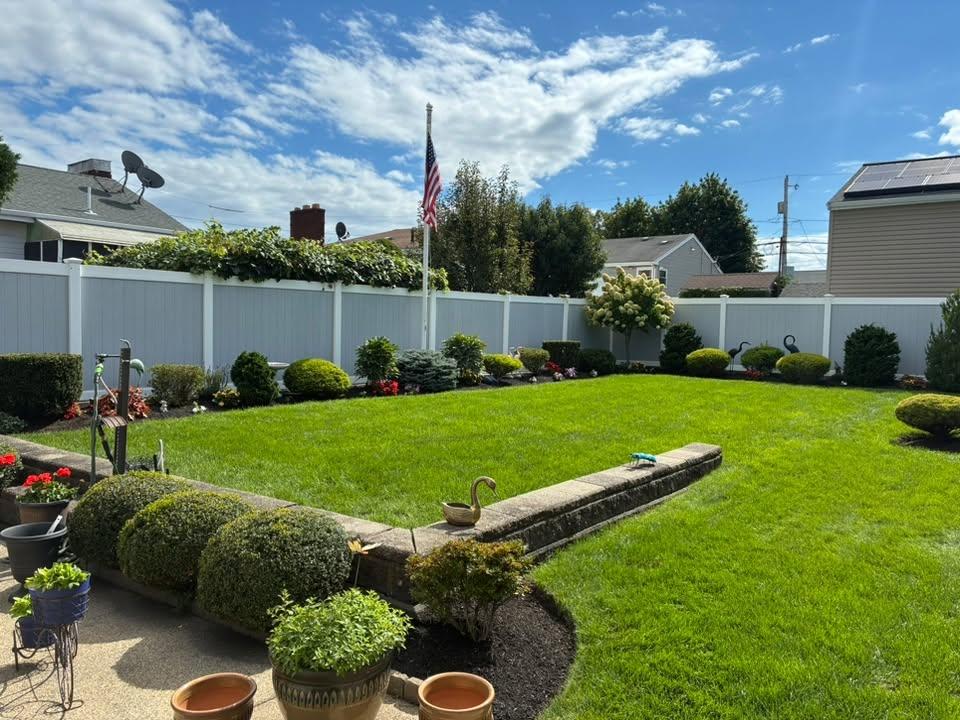
Removing a tree should not mean sacrificing the surrounding garden. Careful site preparation and a planned removal process can help limit unnecessary damage to nearby plants and landscape features.
A better tree removal plan starts with identifying and protecting the plants you want to keep.
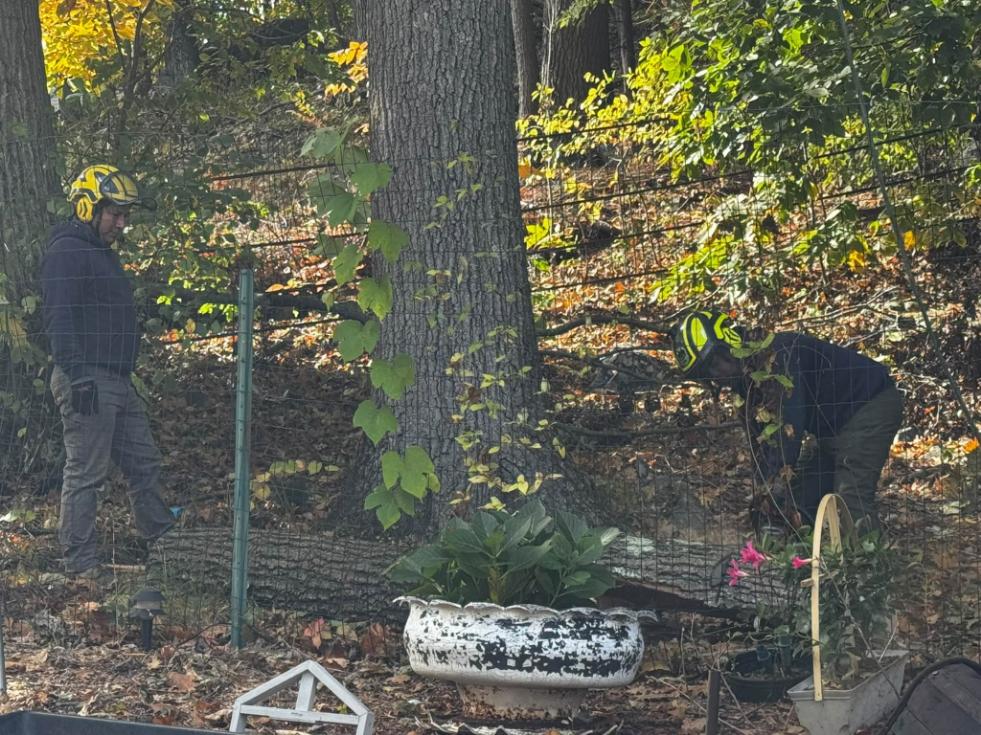
Trees often grow close to flower beds, ornamental shrubs, garden borders, and established landscape features. When a tree needs to be removed, branches, falling debris, foot traffic, and equipment movement can create risks for these surrounding areas.
Homeowners in Peabody, MA, and nearby communities can reduce avoidable landscape damage by discussing garden protection before the tree removal process begins.
Why Garden Protection Matters During Tree Removal
Tree removal involves more than cutting down a trunk. Depending on the tree’s size and location, a crew may need access for climbing equipment, cutting tools, lifting equipment, and debris removal.
Nearby plants can be affected by:
- Falling branches and wood debris.
- Foot traffic through flower beds.
- Heavy equipment moving over garden soil.
- Damaged shrubs and broken ornamental stems.
- Soil compaction around established plants.
- Disruption to irrigation lines and landscape lighting.
Identifying these risks before work begins helps the property owner and tree crew establish a practical protection plan.
STEP 01 — Identify the Plants You Want to Preserve
🌿
Garden Shrubs
Identify established shrubs and ornamental bushes close to the tree.
🌸
Flower Beds
Mark delicate flowers, perennial plants, and seasonal garden areas.
🌱
Young Plants
Identify recently planted flowers, shrubs, and small landscape plants.
Walk through the property before the crew arrives. Point out the plants that should remain undisturbed and identify areas where branches or equipment must not be placed.
STEP 02 — Mark Sensitive Garden Areas
Once the important plants have been identified, mark their locations clearly. Small barriers, stakes, or visible markers can help crew members recognize sensitive planting areas.
Pay particular attention to:
- Flower beds directly below tree branches.
- Shrubs located along the equipment access route.
- Garden borders near the trunk being removed.
- Plants growing close to the area where logs will be collected.
- Underground irrigation pipes and landscape lighting.
Move portable planters and garden decorations away from the work zone whenever possible. For established garden beds, discuss suitable protective barriers with the tree crew before starting.
PROPERTY PROTECTION TIP
Clearly mark protected plant areas before equipment and tree debris begin moving around the yard. A shared site plan helps prevent confusion during removal.
STEP 03 — Plan Equipment Access Around the Garden
One of the most important parts of protecting garden plants during tree removal is deciding where workers and equipment will travel.
Heavy machinery and repeated foot traffic can compact soil and damage plants even when branches are removed carefully. The equipment route should therefore be planned to avoid sensitive beds and unnecessary disturbance to the surrounding ground.
Ask the tree service crew to consider:
- Using suitable access paths rather than driving through garden beds.
- Keeping equipment and stored materials away from sensitive planting areas.
- Using appropriate ground protection where site conditions allow.
- Avoiding unnecessary vehicle movement around established plants and tree roots.
Ground conditions and access space should be evaluated before choosing the equipment or removal method.
STEP 04 — Control How Tree Branches Are Lowered
Branches do not always need to fall freely to the ground. Depending on the tree’s location, professional crews may use controlled lowering techniques to manage how cut sections reach the ground.
This planning is particularly important when trees are close to flower beds, fences, shrubs, and other property features.
Before removal begins, discuss where branches will be lowered and where cut sections will be placed temporarily. The crew should account for both the tree’s position and the location of the plants that need protection.
STEP 05 — Protect the Garden During Cleanup
Tree removal does not finish when the trunk is down. Removing branches, logs, and wood debris can also affect the surrounding landscape if cleanup routes are not considered.
To limit additional disturbance:
- Keep collected wood away from flower beds and delicate shrubs.
- Remove branches from planting areas carefully.
- Avoid dragging heavy tree sections across landscaped surfaces.
- Check that irrigation lines and garden lighting have not been disturbed.
- Clear loose wood debris from pathways and garden borders.
After cleanup, inspect the garden and discuss any visible damage before the project is considered complete.
STEP 06 — Restore and Maintain the Garden After Removal
Once the tree removal work is finished, take time to review the surrounding landscape. Some plants may need gentle cleaning, while disturbed soil or mulch may need attention.
Consider these follow-up steps:
- Remove loose branches and debris around the plants.
- Check nearby shrubs for broken or damaged stems.
- Inspect garden beds for exposed soil and disturbed mulch.
- Check irrigation systems for visible damage.
- Water plants according to their individual needs.
When adding mulch, avoid piling it tightly against plant stems or tree trunks. The goal is to restore the garden without creating new problems for the remaining plants.
Planning a Tree Removal Project?
Proper planning can help protect the surrounding landscape while addressing unwanted or hazardous trees. Learn about our Tree Removal Services and the available removal solutions.
You can also explore our Landscaping Services for outdoor property care and landscape improvements.
Frequently Asked Questions
Can garden plants survive tree removal work nearby?
Many plants can remain undisturbed when the removal process is planned carefully. However, their protection depends on the tree’s location, equipment access, branch movement, and the condition of the surrounding garden.
How can I protect flower beds during tree removal?
Identify sensitive planting areas, mark their boundaries, discuss protective barriers with the tree crew, and keep equipment and debris away from those locations whenever possible.
Can heavy equipment damage garden soil?
Yes. Repeated traffic from heavy equipment can compact soil and affect the conditions around plant roots. Planning equipment routes and using suitable ground protection can help reduce disturbance.
Should I water my garden after a tree removal project?
Check the condition of the soil and the needs of each plant. Water when needed, rather than automatically adding extra water, especially if the soil is already wet.
Should garden protection be discussed before the tree removal crew arrives?
Yes. Discussing sensitive plants, equipment access, branch placement, and cleanup areas before work begins helps everyone understand which parts of the landscape need additional care.
JUAREZ LANDSCAPING AND TREE SERVICES
Careful planning for better tree care and outdoor property maintenance.
Visit Our Homepage


Removing a tree should not mean sacrificing the surrounding garden. Careful site preparation and a planned removal process can help limit unnecessary damage to nearby plants and landscape features.
A better tree removal plan starts with identifying and protecting the plants you want to keep.
Trees often grow close to flower beds, ornamental shrubs, garden borders, and established landscape features. When a tree needs to be removed, branches, falling debris, foot traffic, and equipment movement can create risks for these surrounding areas.
Homeowners in Peabody, MA, and nearby communities can reduce avoidable landscape damage by discussing garden protection before the tree removal process begins.
Why Garden Protection Matters During Tree Removal
Tree removal involves more than cutting down a trunk. Depending on the tree’s size and location, a crew may need access for climbing equipment, cutting tools, lifting equipment, and debris removal.
Nearby plants can be affected by:
Identifying these risks before work begins helps the property owner and tree crew establish a practical protection plan.
STEP 01 — Identify the Plants You Want to Preserve
🌿
Garden Shrubs
Identify established shrubs and ornamental bushes close to the tree.
🌸
Flower Beds
Mark delicate flowers, perennial plants, and seasonal garden areas.
🌱
Young Plants
Identify recently planted flowers, shrubs, and small landscape plants.
Walk through the property before the crew arrives. Point out the plants that should remain undisturbed and identify areas where branches or equipment must not be placed.
STEP 02 — Mark Sensitive Garden Areas
Once the important plants have been identified, mark their locations clearly. Small barriers, stakes, or visible markers can help crew members recognize sensitive planting areas.
Pay particular attention to:
Move portable planters and garden decorations away from the work zone whenever possible. For established garden beds, discuss suitable protective barriers with the tree crew before starting.
PROPERTY PROTECTION TIP
Clearly mark protected plant areas before equipment and tree debris begin moving around the yard. A shared site plan helps prevent confusion during removal.
STEP 03 — Plan Equipment Access Around the Garden
One of the most important parts of protecting garden plants during tree removal is deciding where workers and equipment will travel.
Heavy machinery and repeated foot traffic can compact soil and damage plants even when branches are removed carefully. The equipment route should therefore be planned to avoid sensitive beds and unnecessary disturbance to the surrounding ground.
Ask the tree service crew to consider:
Ground conditions and access space should be evaluated before choosing the equipment or removal method.
STEP 04 — Control How Tree Branches Are Lowered
Branches do not always need to fall freely to the ground. Depending on the tree’s location, professional crews may use controlled lowering techniques to manage how cut sections reach the ground.
This planning is particularly important when trees are close to flower beds, fences, shrubs, and other property features.
Before removal begins, discuss where branches will be lowered and where cut sections will be placed temporarily. The crew should account for both the tree’s position and the location of the plants that need protection.
STEP 05 — Protect the Garden During Cleanup
Tree removal does not finish when the trunk is down. Removing branches, logs, and wood debris can also affect the surrounding landscape if cleanup routes are not considered.
To limit additional disturbance:
After cleanup, inspect the garden and discuss any visible damage before the project is considered complete.
STEP 06 — Restore and Maintain the Garden After Removal
Once the tree removal work is finished, take time to review the surrounding landscape. Some plants may need gentle cleaning, while disturbed soil or mulch may need attention.
Consider these follow-up steps:
When adding mulch, avoid piling it tightly against plant stems or tree trunks. The goal is to restore the garden without creating new problems for the remaining plants.
Planning a Tree Removal Project?
Proper planning can help protect the surrounding landscape while addressing unwanted or hazardous trees. Learn about our Tree Removal Services and the available removal solutions.
You can also explore our Landscaping Services for outdoor property care and landscape improvements.
Frequently Asked Questions
Can garden plants survive tree removal work nearby?
Many plants can remain undisturbed when the removal process is planned carefully. However, their protection depends on the tree’s location, equipment access, branch movement, and the condition of the surrounding garden.
How can I protect flower beds during tree removal?
Identify sensitive planting areas, mark their boundaries, discuss protective barriers with the tree crew, and keep equipment and debris away from those locations whenever possible.
Can heavy equipment damage garden soil?
Yes. Repeated traffic from heavy equipment can compact soil and affect the conditions around plant roots. Planning equipment routes and using suitable ground protection can help reduce disturbance.
Should I water my garden after a tree removal project?
Check the condition of the soil and the needs of each plant. Water when needed, rather than automatically adding extra water, especially if the soil is already wet.
Should garden protection be discussed before the tree removal crew arrives?
Yes. Discussing sensitive plants, equipment access, branch placement, and cleanup areas before work begins helps everyone understand which parts of the landscape need additional care.
JUAREZ LANDSCAPING AND TREE SERVICES
Careful planning for better tree care and outdoor property maintenance.
Visit Our Homepage
Removing a tree should not mean sacrificing the surrounding garden. Careful site…
Read MoreA well-maintained stone border creates a clear separation between lawn areas and…
Read MoreA fallen tree limb on your roof requires careful handling. Knowing what…
Read MoreRed mulch around trees can give a residential landscape a strong, finished…
Read MoreA mulch bed along a fence can turn a plain boundary into…
Read MoreWood fence installation around trees needs more planning than a straight fence…
Read MoreA well-maintained landscape bed can make a major difference in how a…
Read MoreCommercial properties often make their first impression through the condition of their…
Read MoreThe entrance shown in this project demonstrates how landscape bed design can…
Read MoreEvery successful tree service project begins long before a climber leaves the…
Read More